Once a bin is emptied, most businesses never think about it again. At Waste Logic, we think that's where much of the story starts. Responsible material management means knowing what happens to your materials after they leave your site. That's why we work with our hauler partners to support diversion from landfill and appropriate disposal practices.
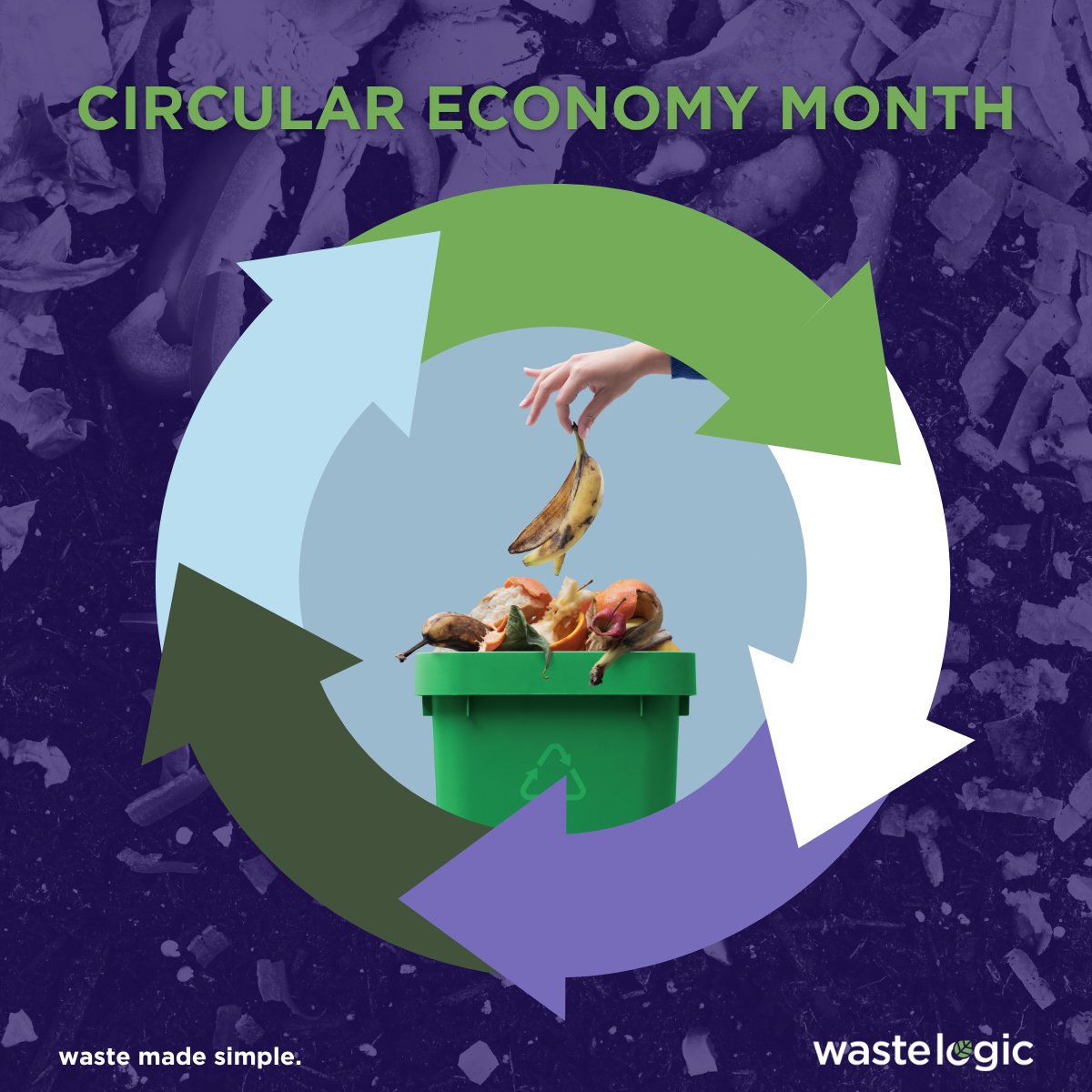
This Circular Economy Month, we're looking at where recyclable and organic materials can go after collection in Canada and why it matters for your business.
Where do recyclables and organics go?
Canada doesn't have one national system for managing materials. Collection and processing vary by province, municipality, material type, hauler, and available infrastructure. Here's a general picture of what can happen after pickup:
Recyclables: Depending on the program and material, recyclables may go to a material recovery facility (MRF) or another specialized processing facility. There, they're sorted and processed, and the recovered materials may then be supplied to manufacturers or other end markets.
Organics: Food and yard waste may go to composting or anaerobic digestion facilities, depending on the local collection and processing system. These processes can produce compost, soil amendments, or biogas.
Not everything collected for recycling or organics processing gets recovered. Material type, contamination, sorting capabilities, processing infrastructure, and available end markets all affect the outcome.
Why diversion matters
Canada's waste management hierarchy prioritizes waste prevention and reduction, followed by reuse and repair, remanufacturing and refurbishment, recycling, energy recovery, and, as a last resort, disposal.
Diverting suitable materials from disposal can:
- Reduce the amount of material sent to landfill
- Allow materials to be recovered for potential reuse or recycling
- Reduce the demand for some virgin resources when recovered materials are successfully used as inputs
- Reduce methane emissions associated with landfilling organic waste when suitable alternative treatment methods are used
The actual environmental benefit depends on the material, the processing method, transportation, contamination levels, and whether the recovered material ends up replacing virgin resources.
Why the destination matters
Putting material in the right bin is only the first step. After that, it still needs to be collected, sorted, processed, and connected with the right end market or recovery process.
Knowing where your materials end up gives you a clearer view of what happens after collection. It also helps you spot opportunities to improve source separation, reduce contamination, and increase diversion where practical.
Being sorted or shipped to a processor does not confirm that the material was ultimately recycled into a new product.
Recovered materials may be supplied to manufacturers or other end markets, although collection and processing do not guarantee that all material is ultimately recycled.
Look beyond the pickup with Waste Logic
When you know where your materials are collected and processed, you can make better decisions about waste prevention, reuse, recycling, organics diversion, and disposal.
Waste Logic works with our hauler partners to understand material destinations and find opportunities to divert more from landfill where appropriate. If you'd like a clearer picture of where your business' materials go, our team is here to help.